
AI SEO Blog
Practical guides for making pages clearer, more structured, and easier for AI systems to understand, summarize, and cite.


The Best Website Structure for AI Search: 4 Common Layouts Compared
Flat, blog-first, strict silo, or hub and spoke? Here is what AI search can and cannot learn about your business from each common website structure, and how to pick the one that fits your site.

How to Plan a Website Instead of Writing Random Blog Posts (A 6-Step Map)
Publishing posts whenever an idea shows up? Here is a 6-step way to plan your website first, so every new blog post has a home, one clear job, and links decided before you write it.

AI Search and AEO Strategy for 2027: 8 Questions to Answer Before You Plan
Before you plan your AI search or AEO strategy for 2027, answer these 8 questions about your current site. They help you decide what to keep, what to stop, and what to start, so next year's plan builds on what is already working.

How Many Pages Does Your Website Actually Need?
Not sure how many pages your website needs? Here is a simple, AI search friendly framework for deciding which pages to keep, which to add, and which are quietly working against you.
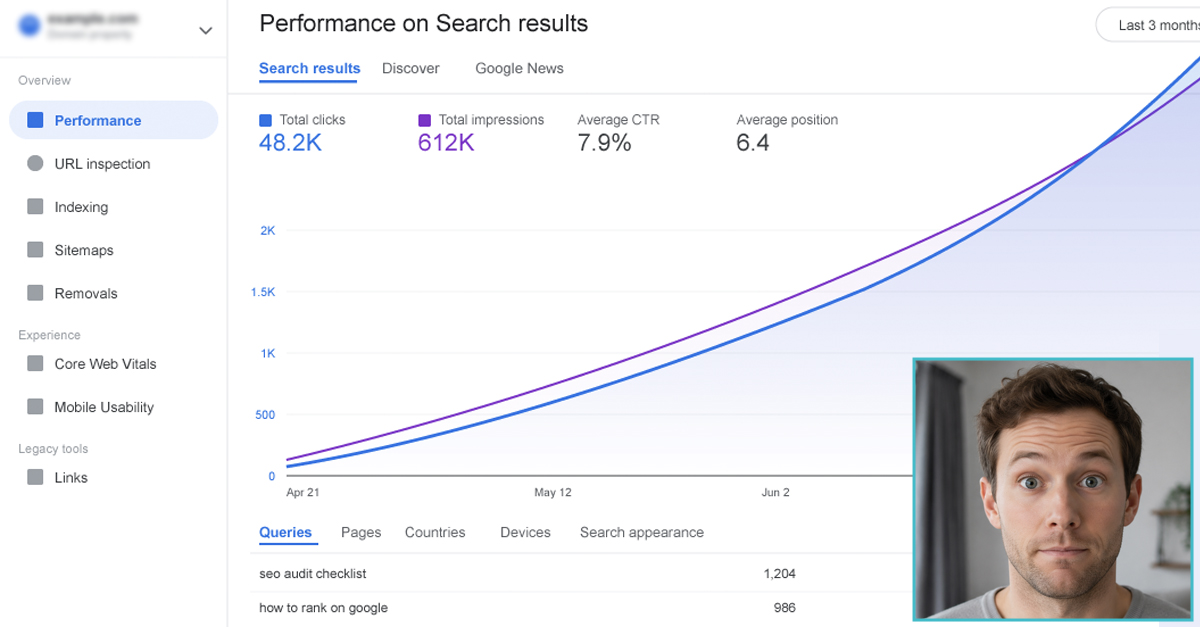
Why Website Architecture Matters More Than Any Single Article in AI Search
Polishing one article at a time has a ceiling in AI search. Learn why site wide architecture, not individual pages, decides whether AI assistants cite your business at all.

AI Mode SEO Checker: How to Check and Optimize Your Site for Google AI Mode
Google AI Mode replaces the entire SERP with AI. Here is how to check your pages for AI Mode readiness and fix the gaps using WebTrek's free AI SEO Checker.
Free vs Paid AI SEO Tools: When It's Worth Paying (and When It's Not)
Decide whether paid AI SEO tools are worth the cost. A practical decision guide covering what free tools do well, where paid plans add real value, and five questions to ask before upgrading.
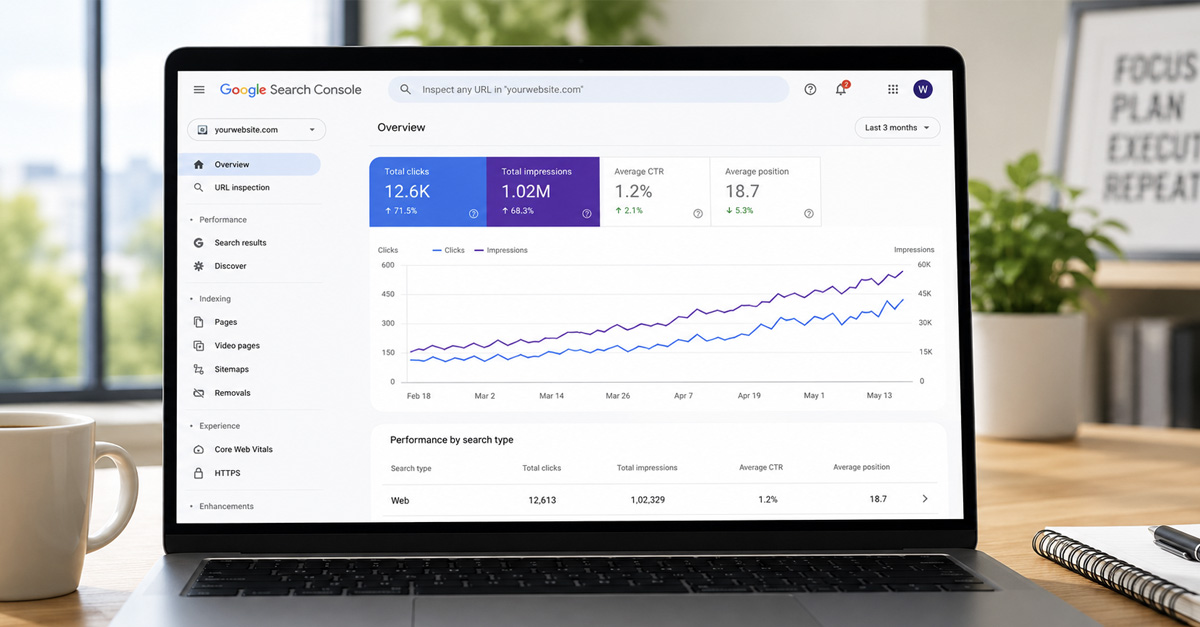
How to Test Your Site in ChatGPT and Perplexity (and What the Responses Tell You)
Run structured tests in ChatGPT and Perplexity to diagnose how AI interprets your site, identify specific page problems, and verify whether your fixes actually worked.
Why Your Search Traffic Has Stopped Growing: A Diagnostic Guide to Breaking the Plateau
Diagnose why your organic search traffic has plateaued. Separate keyword saturation, CTR erosion, content cannibalization, AI answer absorption, and site expansion limits before you publish more content.
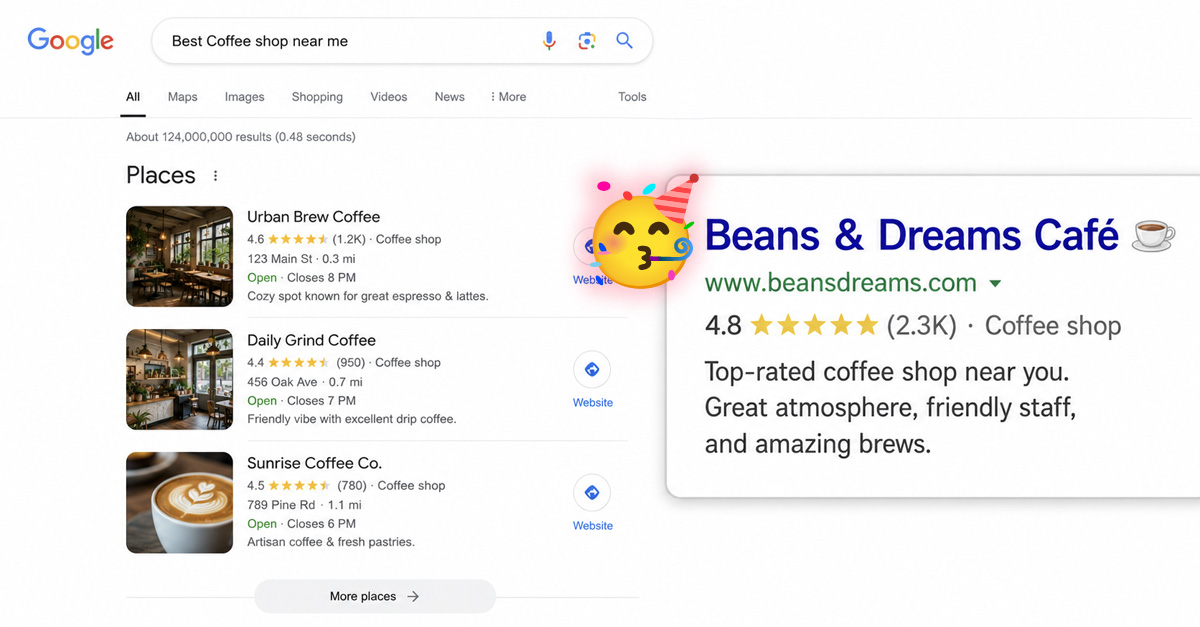
Do Emojis in SEO Title Tags Actually Improve CTR? What Search Really Does With Them
Understand how Google and AI search engines handle emojis in title tags, when they render in SERPs, when they get stripped, and whether they help or hurt click-through rate.
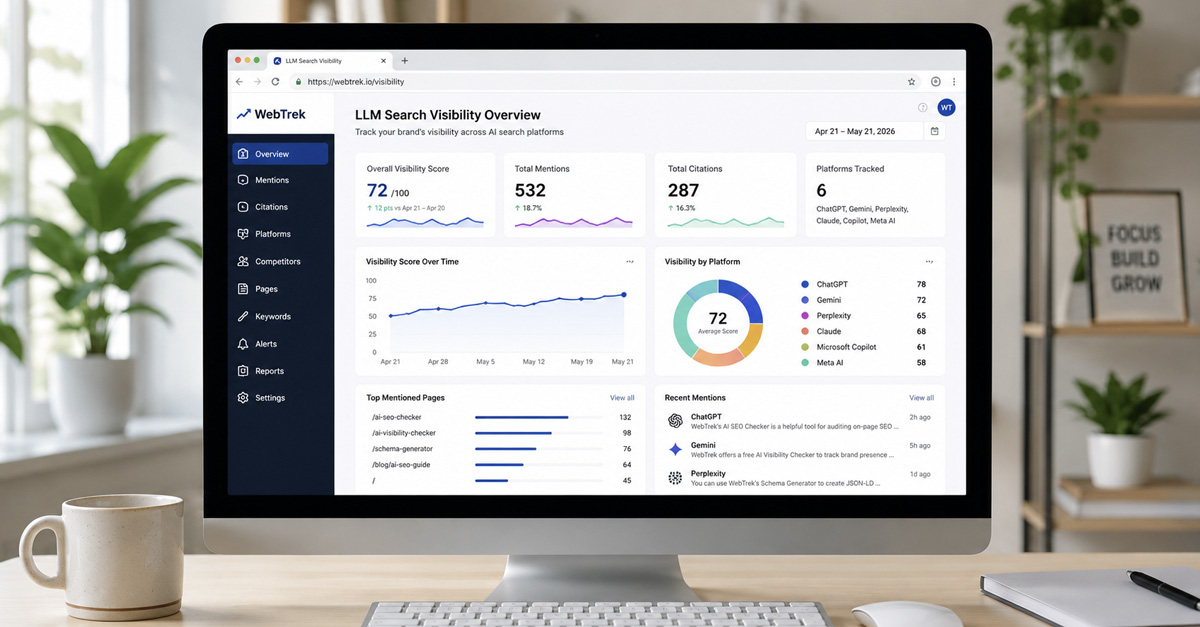
AI Visibility Reporting Template: What to Track, How to Present It, and What to Skip
A practical AI visibility reporting template with five sections: snapshot header, KPI scorecard, page-level breakdown, gap classification, and action items. Monthly and quarterly versions included.

How to Fix AI SEO Issues Step by Step: A Practical Repair Guide
Ran an AI SEO audit and not sure what to do next? This step-by-step repair guide shows how to fix entity gaps, schema errors, heading structure, and more.
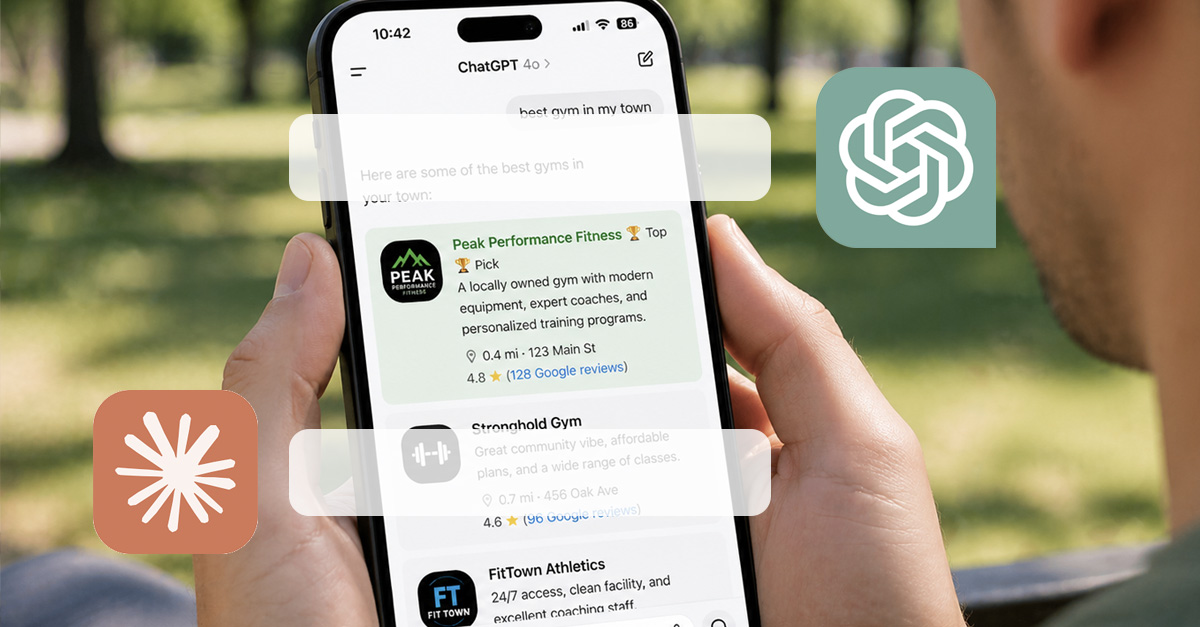
Can ChatGPT Cite or Recommend Your Website If Your Traditional SEO Is Weak?
Learn whether ChatGPT can still cite or recommend your website when traditional SEO is weak, what still has to work, and how to tell if the issue is discovery, page clarity, or trust.
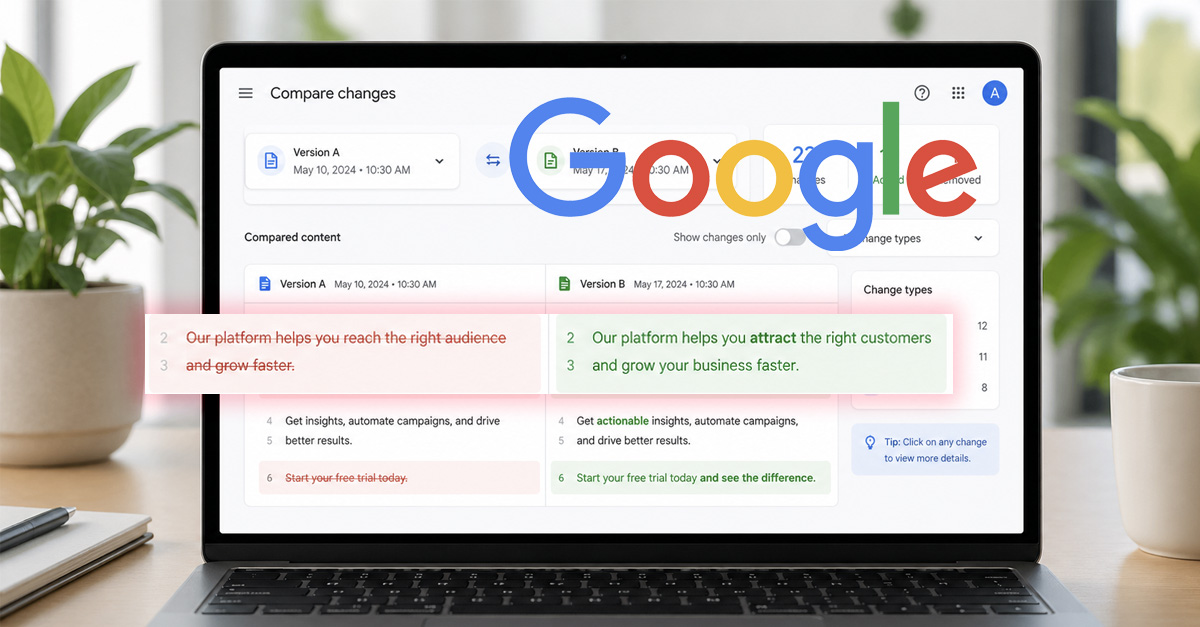
What to Check After a Google Core Update: 10 SEO Checks Before You Rewrite Anything
Use this practical post-core-update checklist to separate ranking loss, CTR compression, page replacement, indexing issues, and site changes before you rewrite content.
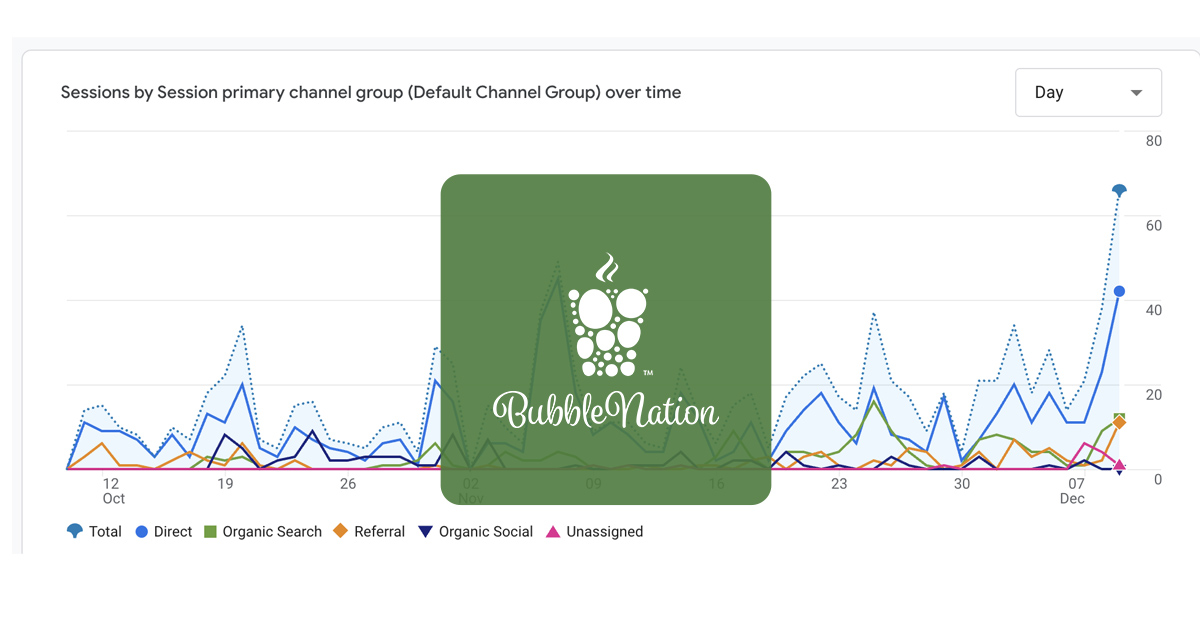
How a Local Bubble Tea Shop Tested SEO and AI Visibility: A Real Case Study
Bubble Nation shares a real case study on testing local SEO, site structure, and AI visibility to better understand how customers find a local bubble tea shop online.